Comparative & Translational Medicine and Biotechnology

- Coordinator:
- Sandra Alves
About the Thematic Line 3
This thematic line integrates basic and applied research in the field of animal and human health, with a focus on translational medicine within a One Health framework. By bridging veterinary and human medicine, it drives the development of precision diagnostics, personalized treatments, and biotechnological innovation.
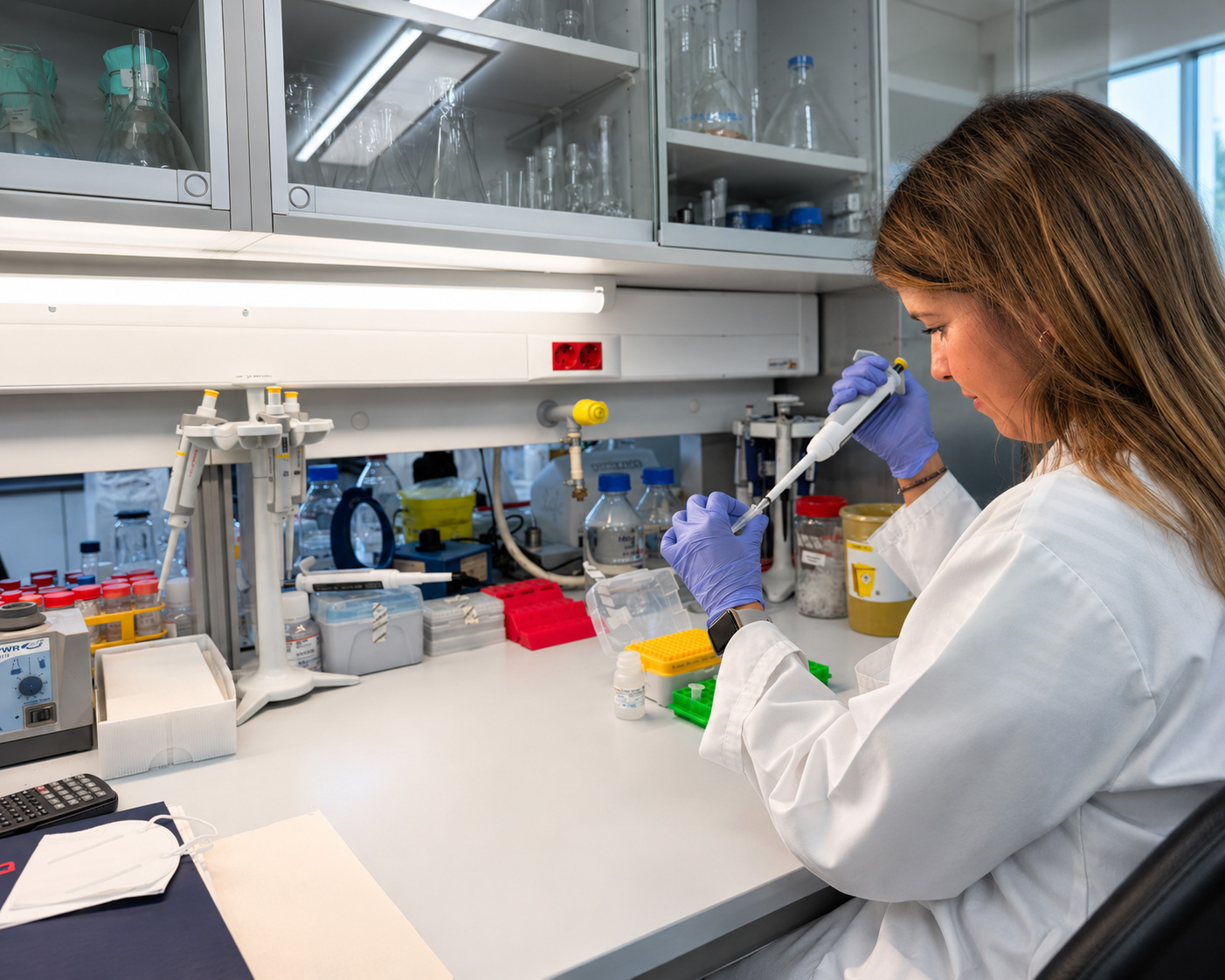
Key areas include inherited metabolic diseases (IMDs), with research on molecular mechanisms, RNA therapies, gene editing, and disease models, including patient-derived iPSCs and zebrafish. Efforts are also directed at identifying novel biomarkers, improving diagnostic tools, and advancing targeted therapies.
In veterinary oncology, studies focus on liquid biopsies, omics technologies, and disease biomarkers for improved cancer detection and monitoring. Vector-borne diseases and antimicrobial resistance are also major research priorities.
Congenital and acquired hearing loss is investigated using electrodiagnostic tools like the BAER test. The Clinical Research Lab supports translational studies through real-world cases in dermatology, ophthalmology, oncology, toxicology, and equine medicine, exploring conditions like atopic dermatitis, melanoma, respiratory, and gastrointestinal diseases.
Through interdisciplinary work in microbiology, immunology, and therapeutic innovation, this line contributes to developing biomaterials, antimicrobial peptides, phage therapy, and recombinant antibodies, advancing sustainable solutions for both public and animal health.
Research Impact
Research in this thematic line drives innovation in veterinary and human health, combining fundamental science with clinical practice. Using animal models—both experimental and naturally occurring in clinical patients—we explore disease mechanisms, develop therapies, and improve diagnostics.
Key areas include regenerative medicine, such as stem cell-based bone and cartilage repair, and advanced reproductive technologies like sperm sexing, which enhance livestock productivity and support sustainable farming and environmental policy.
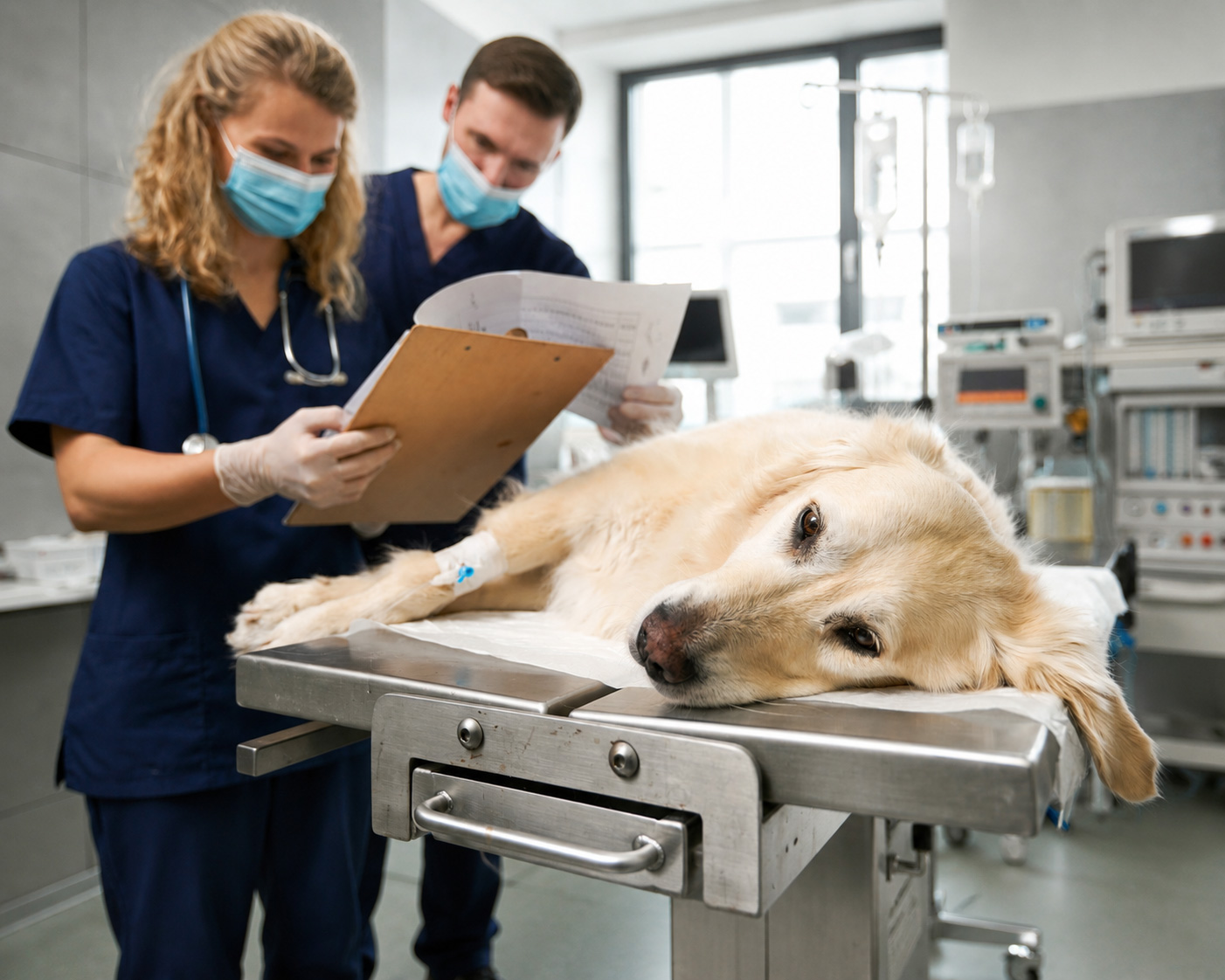
At the Teaching Veterinary Hospital, clinical cases are used to investigate diseases with strong human parallels, accelerating translational research and improving care. Fields such as internal medicine, surgery, pharmacology, and dermatology benefit from this approach.
Our work in infectious diseases has led to advances in antimicrobial resistance monitoring, phage therapy, biomaterials, and recombinant antibody-based therapies, with applications in veterinary and human health.
Additionally, we support the training of young researchers and contribute validated models and technologies, strengthening Portugal’s role in One Health and precision medicine.
Main Expertise & Innovations
This Thematic Line advances new therapeutic solutions in animal medicine and translational models of human diseases, bridging veterinary and human health through a One Health approach.
Its expertise includes:
-
Precision diagnostics and biomarker discovery for cancer, metabolic diseases, and zoonoses
-
Innovative therapies, including RNA-based treatments, gene editing, phage therapy, recombinant antibodies, and antimicrobial peptides
-
Regenerative medicine, from stem cell-based bone and cartilage repair to nerve regeneration with biomaterials
-
Translational clinical research, using real-world cases and naturally occurring diseases in companion and farm animals to model human health conditions
-
Cutting-edge biotechnological tools, such as biosensors, omics platforms, liquid biopsies, and advanced reproductive technologies
Outreach – Societal Impact
Our research actively contributes to society through translational services, public outreach, and the promotion of One Health and SDG-3: Good Health and Well-being.
-
Nationwide protocol: mesenchymal stem cells (MSCs) for compassionate treatment of dogs and horses with osteochondro-degenerative diseases
-
Six patents in regenerative medicine
-
ISO-compliant cytotoxicity and biocompatibility testing for biomaterial developers
-
Clinical integration with the Teaching Veterinary Hospital, merging practice and research conditions
-
Antibody development through Vector B2B, advancing biotech solutions for therapeutic use
-
Science communication, training, and awareness campaigns in antimicrobial stewardship and zoonotic disease prevention
-
Support for the dairy sector, offering diagnostics and field training for mastitis control
Together, these efforts enhance health, education, and innovation across sectors.
Alignment with Public Policies
This research line supports national and EU public policies in animal health, public health, and translational medicine.
-
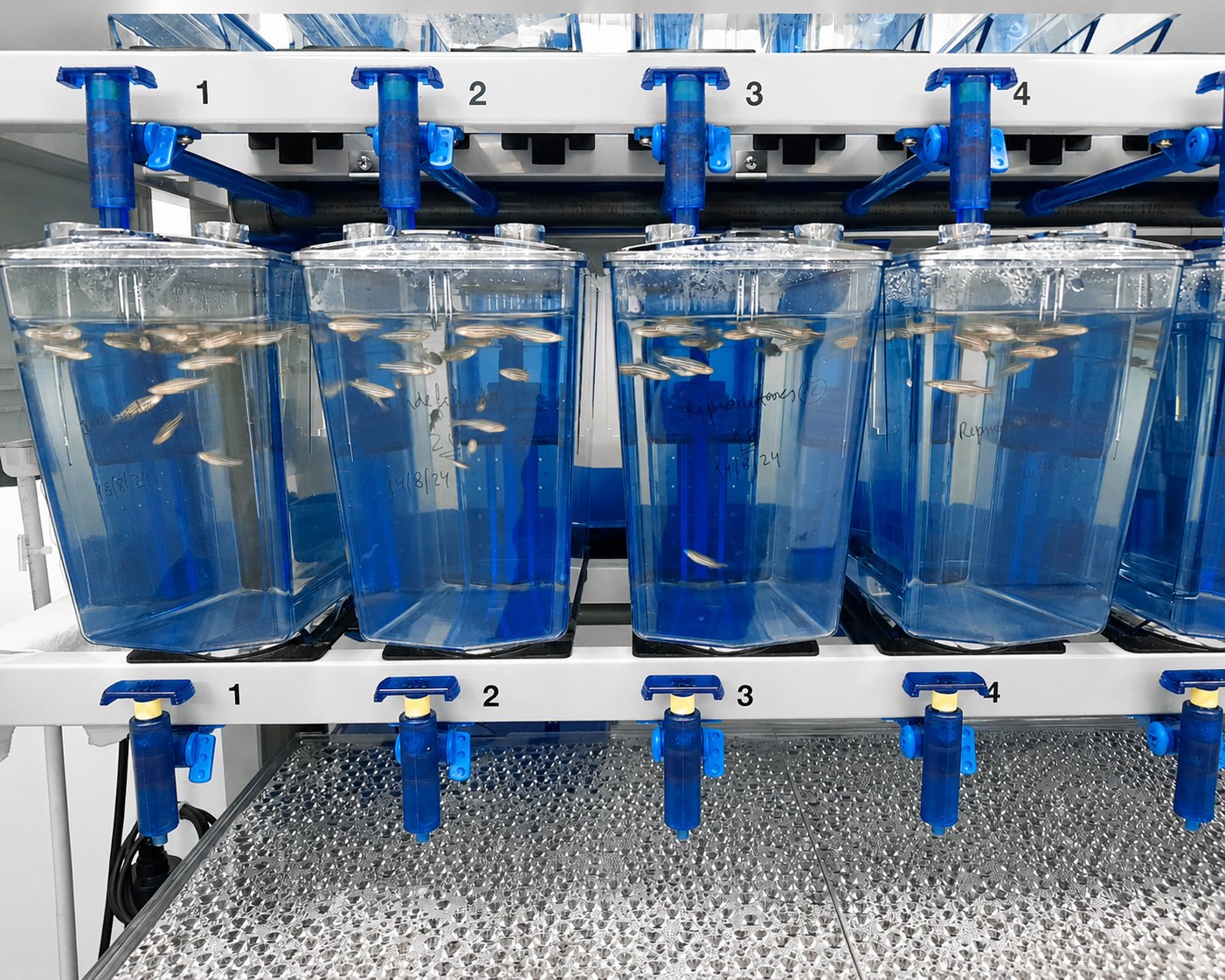
Development of disease models (zebrafish, iPSC-derived cells) for therapy and drug development
-
Early diagnosis and biomarker discovery aligned with health and pharmaceutical policy goals
-
Data provision for AMR surveillance and zoonotic disease detection tools
-
Promotion of animal welfare and sustainable breeding practices
-
Public engagement through workshops and events such as the Teaching Hospital Open Day
-
Science outreach and communication through participation in initiatives such as Science and Technology Week and Ciência Viva no Laboratório
Outputs align with the UN Sustainable Development Goals, particularly:
SDG 3 – Health
SDG 9 – Innovation
SDG 12 – Sustainable Practices
Relevant Projects
European Rare Diseases Research Alliance (ERDERA).
Project 101156595. HORIZON-HLTH-2023-DISEASE-07. (2024–2031).
Funding Institution: European Commission, Horizon Europa.
Funding value (total): 56.929.272,60 EUR Institutional: 75.000,00 EUR
Institutional PI: Sandra Alves
A European Training Program to Foster the Full Therapeutic Potential of Antisense Technology across Tissues: EFFECT.
HORIZON.1.2 – Marie Skłodowska-Curie Actions (MSCA). HORIZON TMA MSCA Doctoral Networks. Grant agreement ID: 101168372. (2025–2028).
Funding Institution: European Commission.
Funding value (total): 2.951.611,00 EUR Institutional: 250.000,00 EUR
Institutional PI: Sandra Alves
InnovaBIOMAS – Optimised additive biomanufacturing system to produce hierarchical multi-tissue scaffolds for the treatment of joint diseases.
2022.10564.PTDC (2023–2026).
Funding Institution: FCT – Foundation for Science and Technology.
Funding value: 249.737,50 EUR
PI: Ana Colette Maurício
CanisCAR-T – Universal CAR-T cells to fight cancer in dogs.
COMPETE2030-FEDER-00933000, LISBOA2030-FEDER-00933000, operação n.º 14822 (2025–2028).
Funding Institution: FCT – Foundation for Science and Technology; FEDER/COMPETE 2030; LISBOA 2030.
Funding value: 239.328,00 EUR
PI: Ana Colette Maurício
NEUROBIOTECH – Combining Novel Cell Therapies and Biodegradable Polymers to Promote Peripheral Nerve Regeneration.
COMPETE2030-FEDER-00716600, operação n.º 16024 (2025–2028).
Funding Institution: FCT – Foundation for Science and Technology; FEDER/COMPETE 2030.
Funding value: 247.406,00 EUR
PI: Ana Colette Maurício
BioVetIn.
LISBOA2030-FEDER-02310500 (2024–2027).
Funding Institution: Lisboa 2030/FEDER.
Funding value: 456.000,00 EUR
PI: Frederico Aires da Silva
DACs-4-TNBC.
LISBOA2030-FEDER-00918600 (2025–2027).
Funding Institution: Lisboa 2030/FCT.
Funding value: 249.566,40 EUR
PI: Frederico Aires da Silva
Epigenetics modifications in the mare endometrium: Implications on fibrosis pathogenesis in endometriosis.
2022.09161.PTDC (2023–2026).
Funding Institution: FCT – Foundation for Science and Technology.
Funding value: 250.000,00 EUR
PI: Graça Ferreira Dias
Re(solve)inflame – Exploring resolving mechanisms in cow persistent uterine and mammary inflammation.
PTDC/CVT/6932/2020 (2021–2024).
Funding Institution: FCT – Foundation for Science and Technology.
Funding value: 249.612,05 EUR
PI: Luís Lopes da Costa
Selected Publications
Pereira G, Guo Y, Silva E, Silva M F, Bevilacqua C, Charpigny G, Lopes da Costa L, Humblot P
Subclinical endometritis differentially affects the transcriptomic profiles of endometrial glandular, luminal, and stromal cells of postpartum dairy cows.
Journal of Dairy Science, 105:6125-6143 (2022).
Andre A S, Dias J N R, Aguiar S I, Nogueira S, Bule P, Carvalho J I, António J P M, Cavaco M, Neves V, Oliveira S, Vicente G, Carrapiço B, São Braz B M F F, Rütgen B, Gano L, Correia J D G, Castanho M, Gonçalves J, Góis P M P, Gil S, Tavares L, Aires-Da-Silva F
Rabbit derived VL single-domains as promising scaffolds to generate antibody–drug conjugates.
Scientific Reports, 13 (2023).
Delgado E, Gomes É, Gil S, Lourenço A M
Diagnostic approach and grading scheme for canine allergic conjunctivitis.
BMC Veterinary Research, 19 (2023).
Gouveia D, Correia J, Cardoso A, Carvalho C, Oliveira A C, Almeida A, Gamboa Ó, Ribeiro L, Branquinho M V, Sousa A C, Lopes B, Sousa P, de Sousa Moreira A, Coelho A, Rêma A, Alvites R D, Ferreira A, Maurîcio A C, Martins Â
Intensive neurorehabilitation and allogeneic stem cells transplantation in canine degenerative myelopathy.
Frontiers in Veterinary Science, 10 (2023).
Silva B, Gonçalves L M, São Braz B M F F, Delgado E
Topical ocular delivery of nanoparticles with epoetin beta in Wistar Hannover rats.
Scientific Reports, 13 (2023).
Alvites R, Lopes B, Coelho A, Sousa A C, Sousa P, de Sousa Moreira A, Rêma A, Simões M, Mendonça C, Atayde L, Prada J, Pires I, Silva B, João F, Metafune M, Bertone F, Raimondo S, Fernandes Alves N, Luís A L, Maurîcio A C
Combined use of olfactory mucosal mesenchymal stem cells conditioned medium and neural guide conduits promotes nerve regeneration in an ovine model.
Frontiers in Cell and Developmental Biology, 13 (2025).
Anastácio C, Pereira G, Silva E, Bexiga R, Capela L, Dupont J, Humblot P, Lopes da Costa L
Associations between endometrial macrophages and persistence of endometritis in postpartum dairy cows.
Animal, 19 (2025).
Andre A S, Dias J N R, Moutinho I, Loureiro J, Leonardo A, Nogueira S, Marimon R P, Bule P, Correia J, Malhó R, Gano L, Correia J D G, Gil S A, Gonçalves J, Pastan I, Tavares L M, Aires-Da-Silva F
A new treatment for canine B-cell lymphoma based on a recombinant single-domain antibody immunotoxin derived from Pseudomonas aeruginosa exotoxin A.
Frontiers in Veterinary Science, 12 (2025).