Green Animal Production

- Coordinator:
- Rui J. B. Bessa
About the Thematic Line 1
Green Animal Production focuses on improving the sustainability of livestock systems while ensuring animal welfare, safe and high-quality animal-derived foods, and the responsible management of genetic resources. Aligned with European priorities such as the Farm to Fork strategy, it supports the transition towards more sustainable and resilient food systems.
By integrating expertise in animal nutrition, genetics, health, and food science, this line develops solutions to increase efficiency, reduce environmental impact, and promote circular production models. It also advances approaches to livestock conservation and breeding, while enhancing the nutritional quality and value of animal-derived products, contributing to climate-responsible agri-food systems.
Research Impact
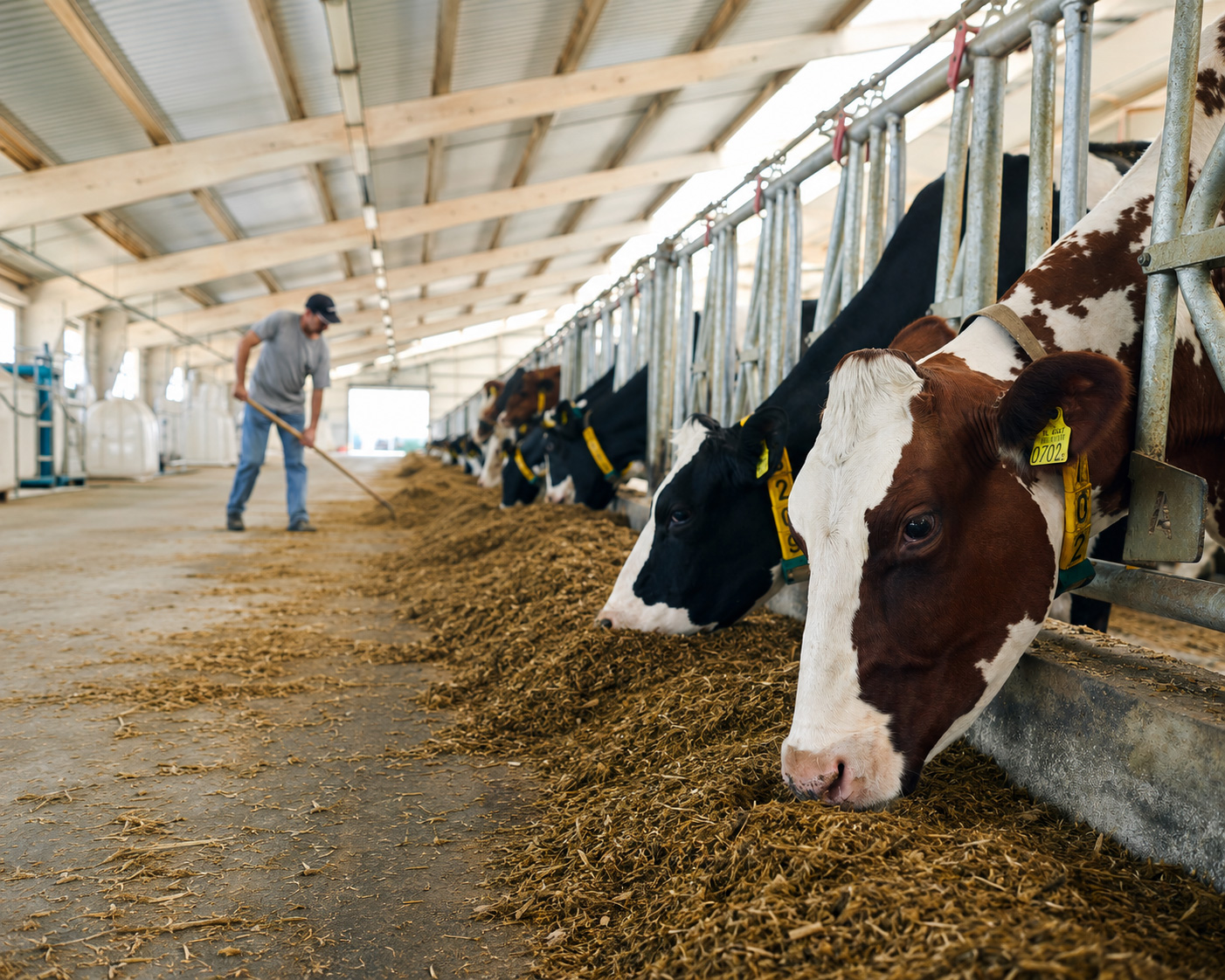
Research in Green Animal Production supports the development of more efficient and environmentally responsible livestock systems by integrating nutrition, genetics, health, welfare, and food safety. It advances solutions to reduce greenhouse gas emissions, optimise feed resources, and promote circular production models.
This work also strengthens knowledge on animal welfare, product quality, and the nutritional value of animal-derived foods, while supporting genetic conservation and adaptive breeding strategies for resilient livestock systems.
Sustainable & Efficient Production
Animal & Food Quality Systems
Genetic & Climate Resilience
Main Expertise & Innovations
-
Ruminal methane mitigation (in vivo and in vitro)
-
Asparagopsis taxiformis-based feed additives
-
Alternative feedstuffs, including microalgae and co-products
-
Meat and milk quality through animal nutrition
-
Safer and more nutritious processed animal foods
-
Alternative conservation and packaging solutions
-
Conservation of farm animal diversity
-
Reproductive techniques for livestock optimisation
Outreach – Societal Impact
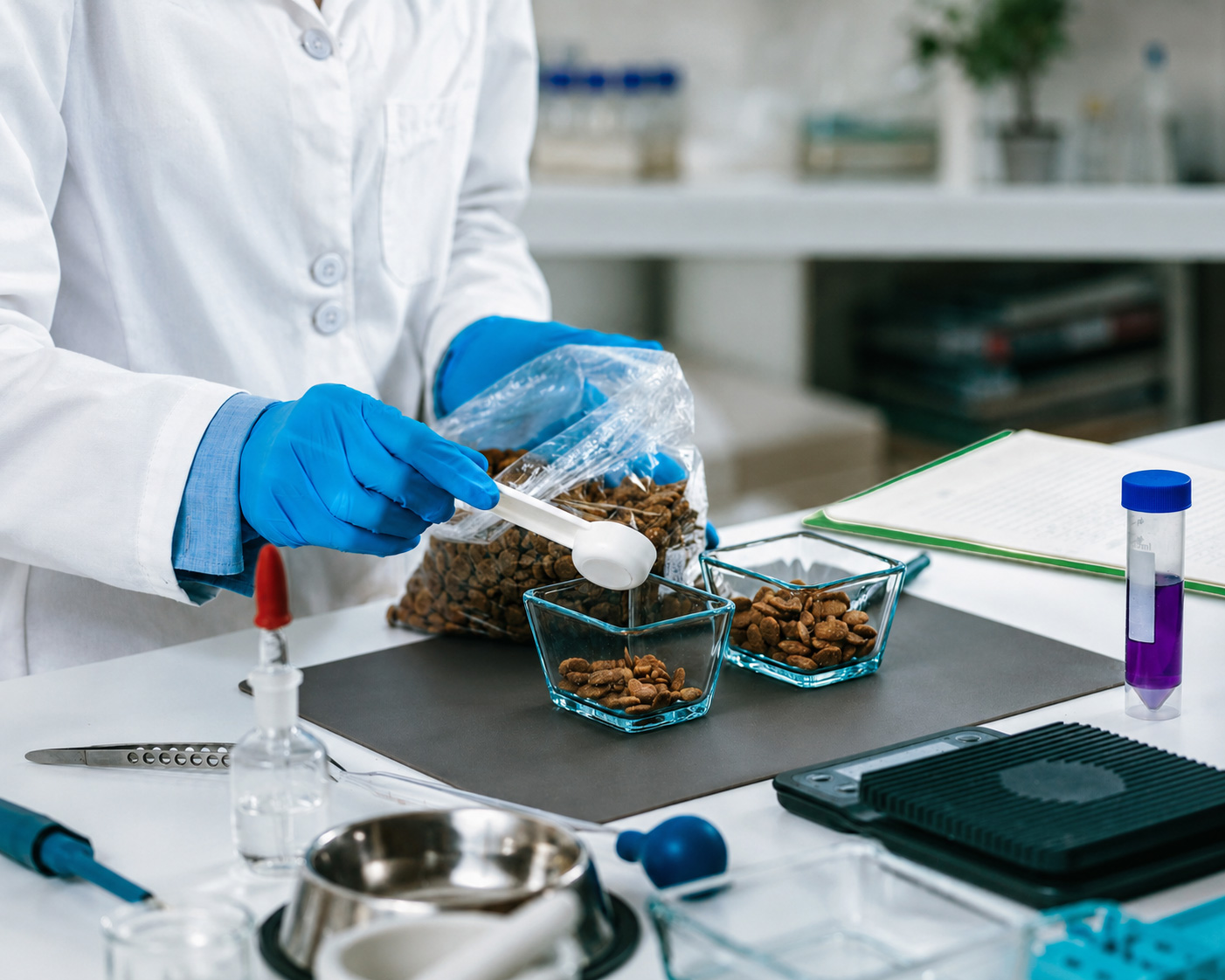
Green Animal Production contributes to society by strengthening collaboration and knowledge exchange across the livestock and environmental sectors. It has played a key role in building national research networks focused on the environmental impacts of animal production, enhancing coordination between Portuguese teams and their ability to support evidence-based public policies.
Key initiatives include the Portuguese Livestock Methane Working Group and EMIAGRO, which bring together multidisciplinary expertise, shared infrastructures, and data-driven approaches.
These platforms promote scientific alignment, support policy development, and foster dialogue between researchers, stakeholders, and the agri-food sector, contributing to more sustainable livestock systems.
Alignment with Public Policies
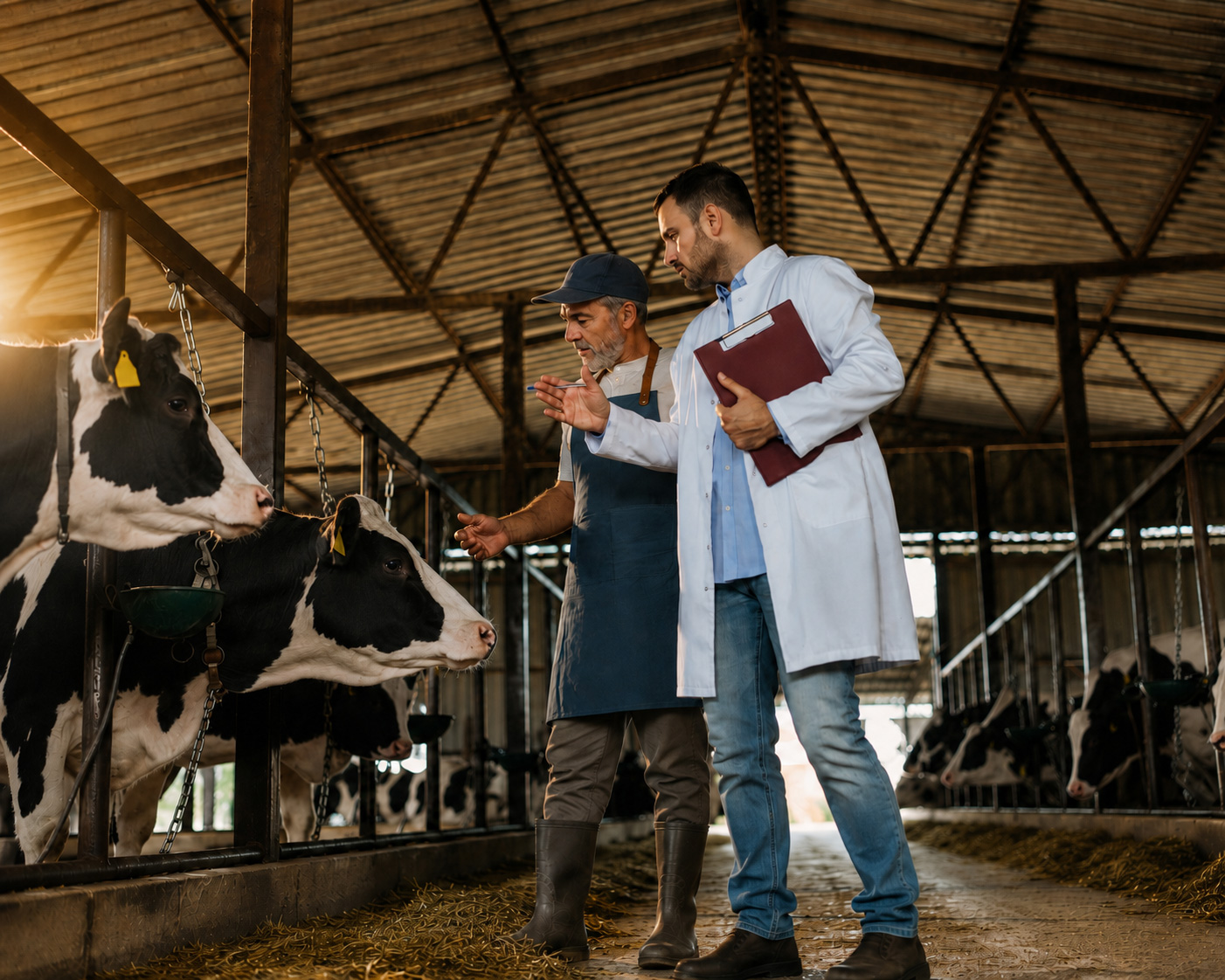
Green Animal Production contributes directly to public policy through collaboration with DGAV and GPP, supporting the analysis of data from the “Ecoregime eficiência alimentar” under PEPAC. This work helps assess the effectiveness of implemented measures and inform future improvements.
Its outputs also support EU and national priorities related to sustainable agriculture, climate adaptation, food quality, and innovation in livestock systems.

Agricultural Policy Support & Data Analysis

Climate Impact Reduction & Resource Efficiency

Food Quality, Safety & System Innovation
Relevant Projects
SEA4FEED – Microalgae Biofortification for Sustainable Pigmentation and Antioxidant Protection in Animal Production.
REF Roullier Innovation Awards 2025–2026 – Exploration Award (2026–2030).
Funding Institution: Roullier Group, Saint-Malo, França.
Funding value: 300.000,00 EUR
PI: José Mestre Prates
AVALON – Evaluate, Optimise and Remunerate for Sustainability in Grazing Systems.
Código do projeto. REF COMPETE2030-FEDER-02288900 (2025–2028).
Funding Institution: COMPETE/FEDER.
Funding value (total): 1.789789,00 EUR
PI: Tiago Domingos (Terraprima) PI FMV: Rui Bessa
GEEMovMit Project – LA 3.1 – Mitigation of GHG emissions in beef cattle production.
REF PRR-C05-i03-I-000027 (2023–2025).
Funding Institution: PRR.
Funding value (total): 143.704,00 EUR
PI: José Santos Silva (INIAV/CIISA) PI FMV: Rui Bessa
FeedValue – Potencial de utilização e valorização de subprodutos no fabrico de alimentos compostos para animais e na produção de fertilizantes orgânicos.
REF PRR-C05-i03-I-000242-LA5.1 (2022–2025).
Funding Institution: PRR.
Funding value (total): 197.394,00 EUR
PI: Maria José Gomes (CECAV)
INNOECOFOOD (Horizon). Eco-Innovative Technologies for Improved Nutrition, Sustainable Production and Marketing of Agroecological Food Products in Africa.
REF Horizon Europe (HORIZON) Project: 101136739 (2024–2026).
Funding Institution: Horizon Europe.
Funding value (total): EUR
Institutional PI: Maria João Fraqueza
PI: António Marques (CIIMAR) PI FMV: Maria João Fraqueza)
CLEANSMOKE – Development of New Smoking Equipment Aimed at Producing Healthy Foods.
REF LISBOA-01-0247-FEDER-068048 (2021–2023).
Funding Institution: LISBOA2020/FEDER.
Funding value (total): EUR
PI: Maria João Fraqueza
Gene2Rumen – New insights into the variability of ruminal lipid metabolism in lambs.
REF PTDC/CAL-ZOO/4515/2021 (2021–2024).
Funding Institution: FCT.
Funding value: 240.835,00 EUR
PI: Rui Bessa
AuthEntic cheesoMics: from big data, through labOratory, towards the fuTure of protected desIgnation of OrigiN.
REF PTDC/OCE-ETA/1785/2020 (2021–2024).
Funding Institution: FCT.
Funding value: 249.926,00 EUR
PI: Teresa Lemsaddek
BROILERNET, Practice and Science BROILER Production Innovation Network.
REF HORIZON-CL6-2021-GOVERNANCE-01, HORIZON-CSA (2022–2026).
Funding Institution: Horizon Europe.
Funding value (total): 2.999.975,00 EUR
PI: Stefan Gunnarsson (SLU/Suécia) PI FMV: Magda Fontes
EnzyTarget, Designing a new generation of antibody-enzyme conjugates for cancer immunotherapy through glycocalyx editing in a feline mammary carcinoma model.
REF LCF/BQ/PR23/11980039 (2023–2026).
Funding Institution: Fundação La Caixa.
Funding value (total): 290.632,80 EUR
PI: Pedro Bule
Selected Publications
Bernardo P, Fernandes M J, Fernandes M H, Teixeira M P, Alfaia C M, Serrano C, Patarata L, João Fraqueza M J
Salt reduction strategies for dry cured meat products: The use of KCl and microencapsulated spices and aromatic plant extracts.
Meat Science, 221 (2025).
Mateus A R, Barros S C, Pena A, Sanches Silva A
Miniaturized QuEChERS extraction (μQuEChERS) combined with HPLC-MS/MS as new analytical method for determination of 105 residues of pesticides in fruit by-products extracts.
Food Chemistry, 481 (2025).
Duarte M, Carvalho A L, Ferreira M C, Caires B, Romão M J, Mestre Prates J A M, Najmudin S, Bayer E A, Fontes C M, Bule P
Tripartite binding mode of cohesin-dockerin complexes from Ruminococcus flavefaciens involving naturally truncated dockerins.
Journal of Biological Chemistry, 301 (2025).
Soldado D, Guerreiro O, Fialho L, Cachucho L, Francisco A, Santos-Silva J, Bessa R J B, Jerónimo E
Inclusion of the Cistus ladanifer L. plant and its condensed tannin extract in lamb diets – Effects on animal antioxidant status and oxidative stability of meat.
Animal Feed Science and Technology, 316 (2024).
Sena F, Portugal P V, Dentinho M T, Paulos K, Costa C, Soares D M, Oliveira A, Ramos H, Alves S, Santos-Silva J, Bessa R
Effects of sunflower oil infusions of Asparagopsis taxiformis on in vitro ruminal methane production and biohydrogenation of polyunsaturated fatty acids.
Journal of Dairy Science, 107:1472-1484 (2024).
Vítor A C M, Godinho M, Francisco A, Silva J, Almeida J, Fialho L, Soldado D, Jerónimo E, Scollan N D, Huws S A, Santos-Silva J, Alves S, Bessa R
Nannochloropsis oceanica microalga feeding increases long-chain omega-3 polyunsaturated fatty acids in lamb meat.
Meat Science, 197 (2023).
Sena F, Henriques D, Dentinho M T, Paulos K, Francisco A, Portugal A P, Oliveira A, Ramos H, Bexiga R, Moradi S, Correia J J, Soares D M, Rodrigues N, Teixeira R F M, Alves S P, Domingos T, Bessa R J B, Santos-Silva J
Feeding sunflower oil enriched with bromoform from Asparagopsis taxiformis impacts young bulls’ growth, health, enteric methane production and carbon footprint.
Animal, 19 (2025).
Ribeiro D M, Luise D, Costa M M, Carvalho D, Martins C F, Correa F, Pinho M, Mirzapour-Kouhdasht A, García-Vaquero M, Mourato M P, Trevisi P, Almeida A M, Freire J P B, Mestre Prates J A M
Impact of dietary Laminaria digitata with alginate lyase or carbohydrase mixture on nutrient digestibility and gut health of weaned piglets.
Animal, 18 (2024).