Emerging Infectious Diseases & Zoonoses

- Coordinator:
- Alexandre Leitão
About the Thematic Line 2
Emerging Infectious Diseases & Zoonoses addresses the growing threat of infectious agents affecting animal production, public health, and global trade.
Its mission is to control zoonoses and emerging diseases through innovative solutions and support for evidence-based public policies.
Research spans epidemiology, pathogen biology, diagnostics, vaccines, and therapeutic strategies, considering the impact of climate change and antimicrobial resistance. It covers diseases affecting livestock, companion animals, wildlife, and environmental interfaces.
By adopting a One Health approach, this line develops tools for early detection, surveillance, and response, contributing to better disease prevention and management across animal, human, and environmental health systems.
Research Impact
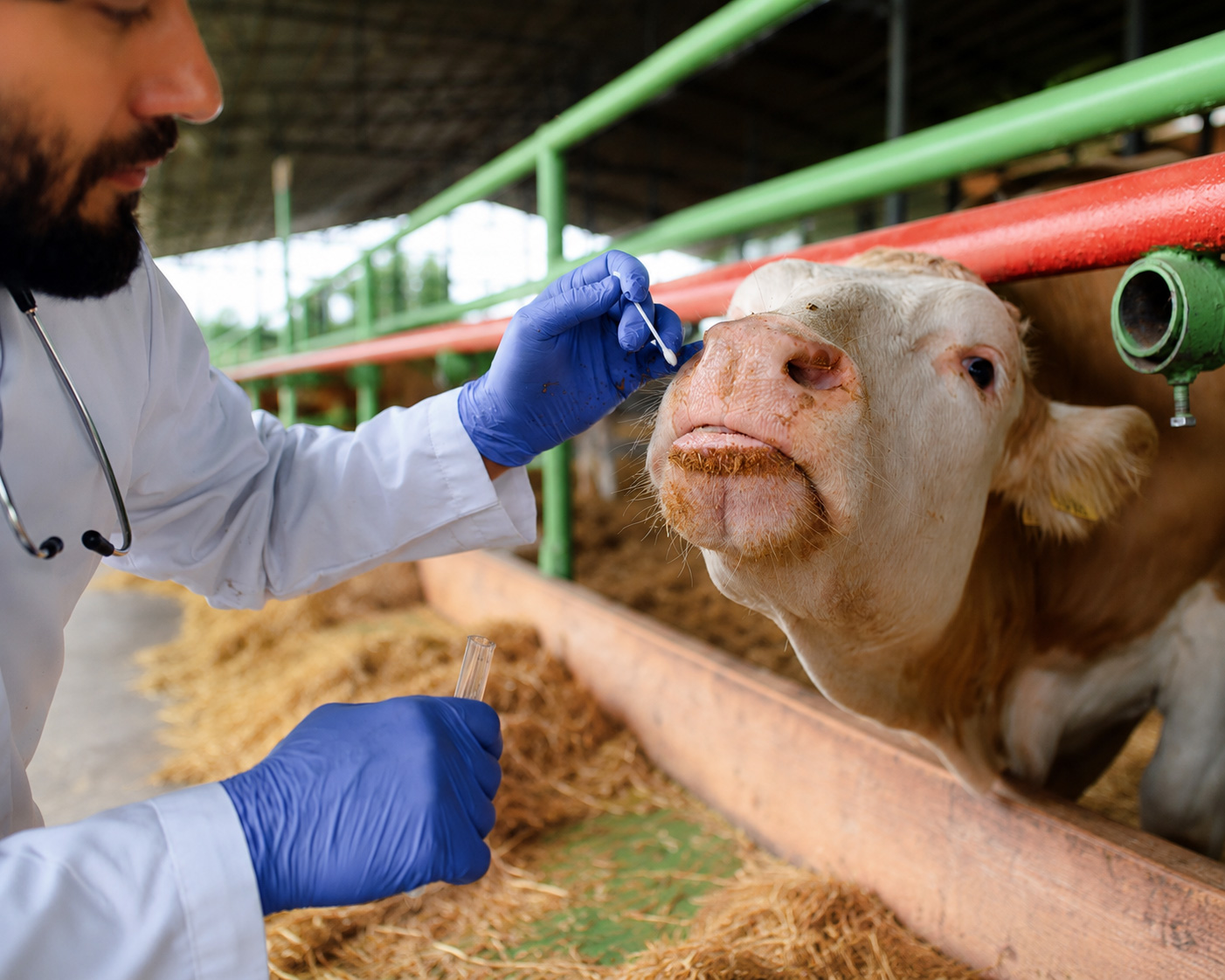
Research in Emerging Infectious Diseases & Zoonoses has a direct impact on disease control and policy implementation. A key outcome is the co-development of SISS, in collaboration with DGAV, improving swine health management, disease eradication, and sanitary decision-making.
The line also contributes to global efforts against African Swine Fever through vaccine and diagnostic research, while developing tools for detecting zoonotic parasites such as Toxoplasma gondii. Its epidemiological data supports prevention programmes and response strategies in Portugal and beyond.
Surveillance & Swine Health Systems (SISS)
Development of SISS with DGAV to support disease monitoring, eradication programmes, and more effective data-driven sanitary decisions.
Global & Infectious Disease Response
Contribution to international research on African Swine Fever, supporting vaccine development, improved diagnostics, and coordinated response strategies.
Zoonotic & Environmental Detection Tools
Creation of detection methods and epidemiological data to strengthen food safety systems and support public health prevention strategies.
Main Expertise & Innovations
Focus on infectious disease research, combining epidemiology, diagnostics, and translational strategies to improve surveillance, prevention, and control of zoonotic and emerging health threats.
-
Disease surveillance and epidemiology
-
Pathogen diagnostics
-
Vaccine development
-
Antimicrobial resistance monitoring
-
Host–pathogen interaction studies
-
Molecular epidemiology
-
Vector-borne and foodborne disease research
-
Biosecurity and biosafety approaches
-
Translational strategies for disease control
Outreach – Societal Impact
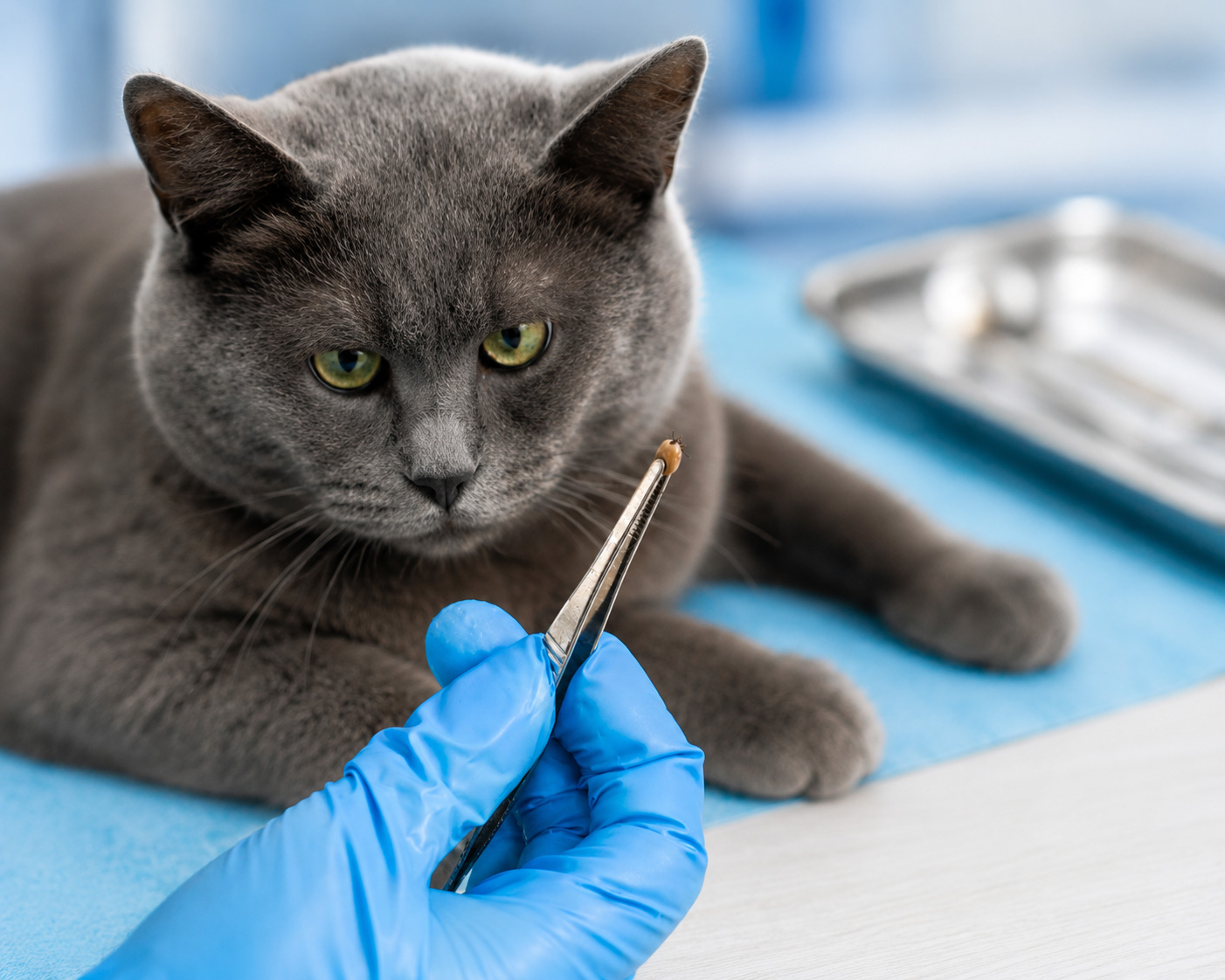
Emerging Infectious Diseases & Zoonoses strengthens collaboration between research, public authorities, and professional communities through training, workshops, and joint initiatives. These activities promote knowledge exchange and support coordinated responses to emerging health challenges.
Its outreach focuses on zoonoses surveillance, antimicrobial resistance, and disease prevention, engaging veterinary services, regulatory bodies, and industry stakeholders. By fostering dialogue and capacity building, this line enhances awareness and supports the adoption of best practices.
Aligned with a One Health approach, these efforts contribute to evidence-based decision-making and improve preparedness, diagnostics, and control of infectious diseases across animal and public health sectors.
Alignment with Public Policies
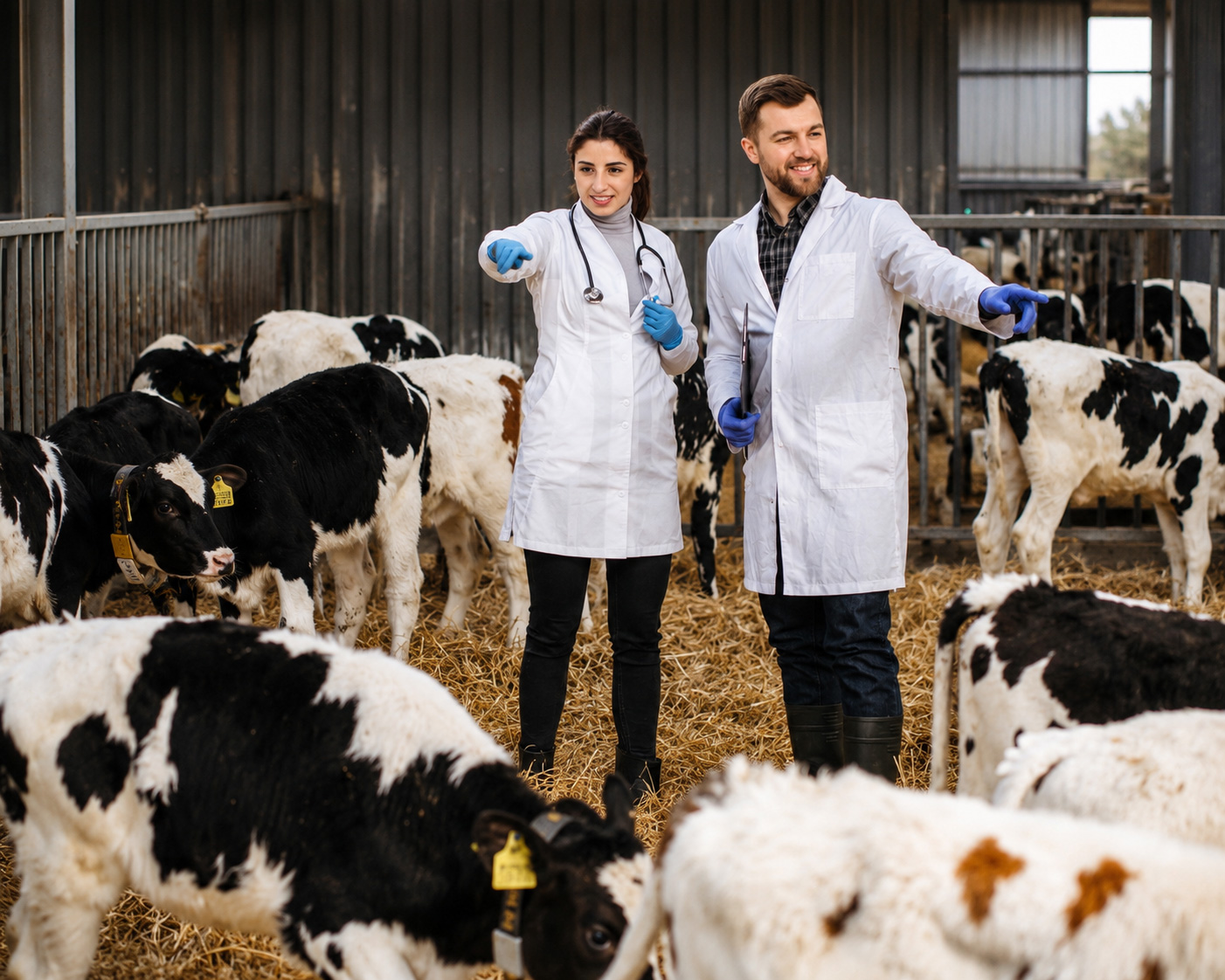
Emerging Infectious Diseases & Zoonoses contributes directly to public policy through tools and data that support official controls and evidence-based health management. Its collaboration with DGAV, including systems such as SISS, strengthens surveillance and sanitary decision-making.
Its outputs also support EU and national priorities related to disease eradication, zoonoses prevention, and food safety, contributing to more coordinated health strategies.

Surveillance Systems & Policy Decision Support

Zoonoses Prevention & Public Health Strategies

EU Projects & Disease Eradication Initiatives
Contributes to EU projects supporting disease control and food safety priorities.
Relevant Projects
DeZi – A multi-country network for dengue, Zika and other emerging arboviral threats.
REF 316633/Z/24/Z (2025–2030).
Funding Institution: Wellcome Trust.
Funding value: 5.000.000,00 EUR
Institutional PI: Líbia Zé-Zé (INSA)
DURABLE – Research Network against Epidemics: Delivering a Unified Research Alliance of Biomedical and public health Laboratories against Epidemics.
REF 101102733 (2024–2027).
Funding Institution: European Union’s EU4Health programme.
Funding value: 30.000.000,00 EUR
Institutional PI: Líbia Zé-Zé (INSA)
SIVIZ – Development of an Integrated Surveillance and Alert System of Zoonosis in Portugal.
EU4H-2022-DGA-MS-IBA-05, REF 101132818 (2023–2026).
Funding Institution: European Union’s EU4Health programme.
Funding value: EUR
Institutional PI: Susana Pombo (DGAV)
INFECTIVE. IdeNtiFy, understand and control bacterial pErsistenCe and heTeroresIstance in Veterinary and human sEttings.
(2025–2028). Project ID: LISBOA2030-FEDER-00685100.
Funding Institution: Lisboa 2030 / FEDER.
Funding value: 248.572,80 EUR
PI: Manuela Oliveira
Targeting TLR2 for improved veterinary vaccines.
REF PTDC/CVT-CVT/4599/2021 (2022–2026).
Funding Institution: FCT.
Funding value: 249.809,97 EUR
PI: Alexandre Leitão
Deciphering the cellular mechanisms underlying high-affinity long-lasting antibody responses in cattle.
REF 2024.17538.PEX (2026).
Funding Institution: FCT.
Funding value: 59.980,75 EUR
PI: Afonso P. Basto
Characterization of a novel African swine fever virus (ASFV) modulator of cytokine responses.
REF 2022.04769.PTDC (2023–2025).
Funding Institution: FCT.
Funding value: 50.000,00 EUR
PI: Claudia Istrate
DogIPM – Immune precision medicine as a new opportunity to control canine trypanosomatid diseases.
REF PTDC/CVT-CVT/0228/2020 (2021–2025).
Funding Institution: FCT.
Funding value: 249.810,00 EUR
PI: Gabriela Santos-Gomes (IHMT)
Selected Publications
Abade Dos Santos F A A, Dalton K P, Carvalho C L, Casero M, Álvarez Á L, Parra F, Duarte M D
Co-infection by classic MYXV and ha-MYXV in Iberian hare (Lepus granatensis) and European wild rabbit (Oryctolagus cuniculus algirus).
Transboundary and Emerging Diseases, 69:1684-1690 (2022).
de Sousa T, Machado S, Caniça M, Ramos M J N, Santos D, Ribeiro M, Hébraud M, Igrejas G, Alves O, Costa E, Silva A, Lopes R, Poeta P
Pseudomonas aeruginosa: One Health approach to deciphering hidden relationships in Northern Portugal.
Journal of Applied Microbiology, 136 (2025).
Louro M, Linhares J C T, Pinto C, Pino-Vera R, Nunes T, Gomes J, Pereira da Fonseca I
Integrated epidemiological and molecular analysis of Cryptosporidium spp. and Giardia duodenalis isolates in dairy calves from Terceira Island, Azores.
Parasitology Research, 124 (2025).
Lozano J, Cunha E, de Carvalho L M, Paz A, Oliveira M
First insights on the susceptibility of native coccidicidal fungi Mucor circinelloides and Mucor lusitanicus to different avian antiparasitic drugs.
BMC Veterinary Research, 20 (2024).
Menezes J, Moreira da Silva J M, Frosini S M, Loeffler A, Weese S, Perreten V, Schwarz S, Gama L T, Amaral A J, Pomba C
mcr-1 colistin resistance gene sharing between Escherichia coli from cohabiting dogs and humans, Lisbon, Portugal, 2018 to 2020.
Eurosurveillance, 27 (2022).
Moreira da Silva J, Menezes J, Fernandes L, Marques C, Costa S S, Timofte D, Amaral A J, Pomba M C
Evaluation of multidrug-resistant bacteria and their molecular mechanisms found in small animal veterinary practices in Portugal.
Frontiers in Cellular and Infection Microbiology, 15 (2025).
Moutinho I, Henriques M, Cardoso S, Coutinho T D P, Penha-Gonçalves C, Demengeot J, Castanho M, Tavares L, Gil S, Nunes T, Aires-Da-Silva F
SARS-CoV-2 Seroprevalence in Indoor House Cats From the Lisbon Area During the COVID-19 Pandemic, 2019–2021.
Transboundary and Emerging Diseases, 2024.
Zúquete S, Ferreira M, Delgado I L S, Gazalle P, Andaluz S, Rosa M T, Mendes A C, Santos D, Nolasco S, Graça L, Leitão A, Basto A P
Combined TLR2/TLR4 activation equip non-mucosal dendritic cells to prime Th1 cells with gut tropism.
iScience, 27 (2024).